November 28, 2026
How to Choose a Dune Buggy for Dubai Desert Driving
By @getdunebuggydubaiindex
Choosing the right dune buggy in Dubai is less about picking the boldest looking vehicle and more about matching the machine to the terrain, the route and the level of driving experience. Desert conditions change through the day. Soft sand, firm tracks, heat and visibility all affect how a buggy feels and how much attention the driver needs. A clear approach makes the choice easier and helps avoid a ride that is too tame, too demanding or poorly suited to the group.
Start with the kind of desert drive you want
Before comparing vehicles, decide what the outing should feel like. A short ride over gentler dunes suits a different buggy than a longer route with steep climbs and tight turns. Some drivers want a steady pace with room to take in the desert. Others want the lively handling that comes with a more powerful off-road vehicle. The route matters as much as the vehicle, because sand dune terrain can be forgiving in one area and technical in another.
Think about who will be driving and who will be riding along. Age, size, confidence and comfort all matter. A buggy that feels responsive to an experienced driver may feel abrupt to a first timer. If children or less confident passengers are joining, stability and seating comfort deserve more weight than raw speed. A desert safari can be memorable without pushing everyone beyond their comfort zone.
The timing of the drive also shapes the choice. A daytime outing brings stronger heat and brighter light, while a sunset tour often means cooler air and longer shadows. Lower light can make dune edges harder to read, so visibility and the driving plan deserve attention. Camel Desert Safari Dubai can be one reference point when comparing desert options, but the practical decision still comes down to the ride itself.
Match the buggy to the driver's experience
A good fit starts with control. Newer drivers usually do better with a buggy that accelerates smoothly, has predictable steering and does not demand constant correction on slopes. More experienced drivers may enjoy a vehicle with stronger response, but that only helps if they understand how weight shifts on sand. On a dune face, momentum, angle and throttle control matter more than simple power.

Ask how the vehicle behaves at low speed as well as at pace. Much of dune driving involves careful adjustments rather than flat-out running. A buggy that is hard to manage at walking speed can be tiring on a route with stops, photo breaks or uneven ground. Smooth inputs are easier when the machine reacts in a measured way.
Driver height and reach are practical details that are often overlooked. Check that the steering wheel, pedals and hand controls feel natural before committing. Passengers need enough legroom and a secure place to brace as the buggy moves over ridges and dips. Comfort is not a luxury here. Discomfort can distract the driver and shorten everyone's enjoyment.
Look closely at safety equipment and fit
Safety should shape the decision from the start. A safety helmet should fit snugly without pressing painfully or shifting when the head turns. The chin strap should hold the helmet in place. If a helmet feels loose, try another size rather than tightening the strap until it becomes uncomfortable. Desert goggles are also useful because dust and fine sand can affect vision, especially when several vehicles travel together.
Seat belts, seating position and roll protection deserve careful attention. A proper seat keeps the driver upright and supported while the buggy climbs, turns and descends. Loose clothing should be secured, and long hair should be tied back. Open footwear is a poor choice for an off-road vehicle, even on a warm day.
It is also sensible to ask how safety briefings are handled before the drive begins. The route, hand signals, stopping procedure and what to do if a vehicle slows or stalls should be clear to everyone. In experienced hands, a dune buggy feels controlled. Without clear communication, even a well chosen vehicle can become stressful. Camel Desert Safari Dubai may come up while researching options, yet the same basic questions remain useful wherever the outing is arranged.
Compare power, braking and suspension
Power is easy to notice, but it is only one part of the decision. A buggy with plenty of acceleration can climb well, yet it still needs balanced braking and suspension to feel steady. On sand, braking can be less predictable than on paved roads. Weight moves forward, and loose surfaces can reduce grip. A vehicle that slows in a controlled way gives the driver more time to judge the next line.
Suspension affects comfort and confidence. Softer setups absorb bumps and small ridges, while firmer setups can feel more direct on firm ground. The best choice depends on the route and pace. For uneven dunes, suspension that keeps the wheels in contact with the sand is valuable. It helps the buggy track smoothly and reduces the jarring that tires passengers out.
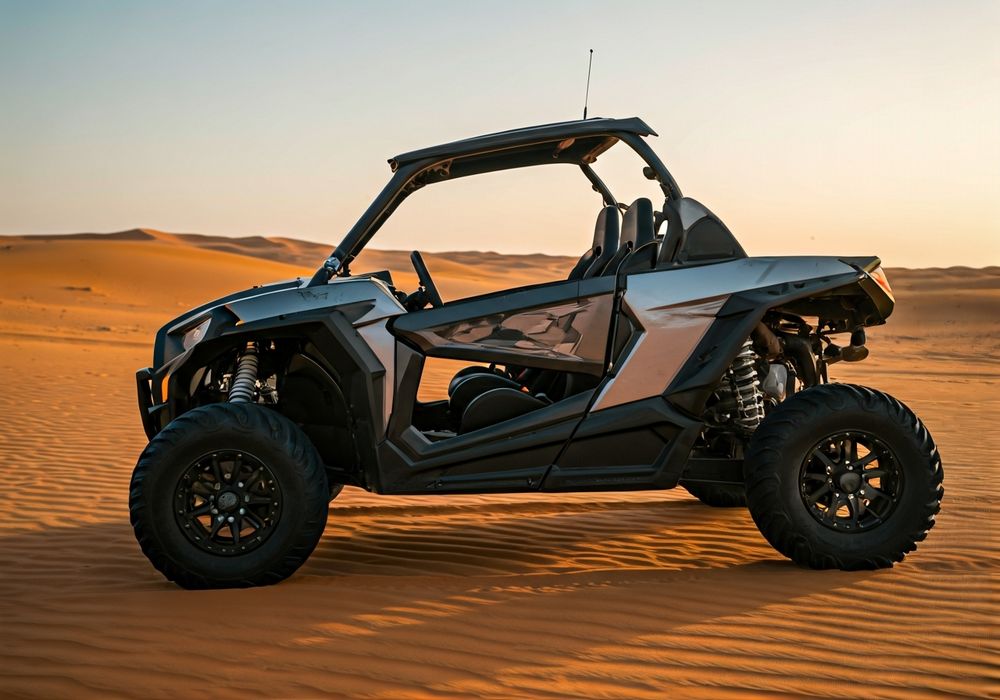
Tyre condition is another point to check. Tyres that are suited to sand and in sound condition help the buggy float over soft surfaces rather than dig in. Tread, sidewalls and pressure all influence behaviour. If a vehicle pulls to one side, vibrates oddly or feels unstable, that is a reason to pause and ask for a different option rather than hoping the issue disappears.
Ask what the route includes
The same buggy can feel very different on two routes. Ask whether the drive follows open dunes, established tracks or a mix of both. Open dunes call for more skill and a vehicle that responds cleanly to small steering inputs. Tracks can be easier for beginners, though they may still include sand drifts, dips and sharp turns.
Find out how long the driving portion lasts and whether there are stops. A longer route can be rewarding, but it also asks more of the driver's concentration and the passengers' comfort. Short sessions can be a better first choice for anyone unsure about heat, dust or motion. If the outing is part of a wider desert safari, check how the buggy portion fits with the rest of the plan.
Group size can change the feel of the experience. A small group gives the driver more space to choose a line and keep a steady distance. A larger group may be lively, but it can also mean more dust and less freedom to adjust pace. Clear spacing rules help everyone see the terrain and react calmly.
Check the practical details before deciding
A few simple checks can prevent disappointment. Confirm what is included with the ride, what the driver is expected to do and what rules apply before departure. Ask whether there is a designated meeting point, how late arrivals are handled and whether the route changes in poor visibility. Clear answers usually indicate a well organised setup.
Be cautious with vague claims. Words like powerful, premium or advanced mean little without context. Better questions focus on how the buggy handles sand, what safety gear is provided and how the drive is supervised. A professional response should explain limits as well as features. No vehicle is suited to every dune or every driver.
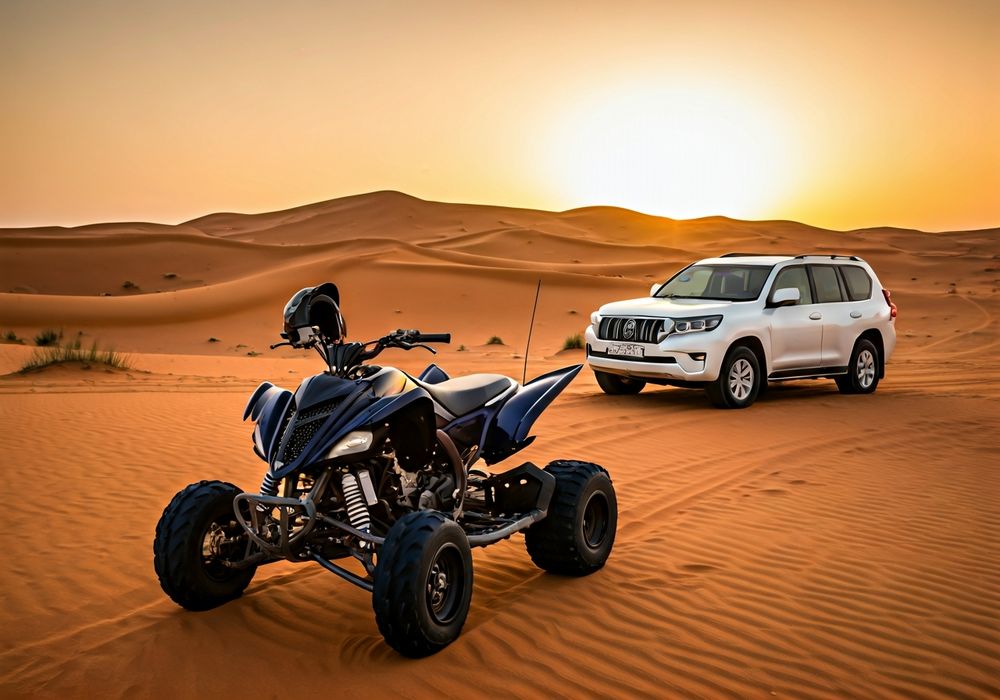
Weather can also affect the final choice. Heat may call for lighter clothing, water and a slower pace, while wind can lift dust and reduce visibility. If conditions look unsettled, flexibility matters more than sticking rigidly to a plan. A responsible outing should leave room for judgment rather than forcing a route that feels uncomfortable.
Make the final choice with a calm test of fit
When comparing options, choose the buggy that feels manageable from the first moment. Sit in it, adjust your position, check visibility and notice how the controls feel. A good match should make the driver feel alert and relaxed, not rushed or overmatched. If the vehicle feels awkward before the engine is even running, it is unlikely to improve on uneven sand.
Think of the decision as a balance of route, experience, comfort and safety. Power matters, but so do braking, suspension, tyres, helmet fit and clear instructions. The right dune buggy Dubai choice is the one that suits the people in it and the dunes ahead. With those points checked in order, the ride becomes easier to enjoy and easier to trust.
❧